

Heel Spurs: Causes, Symptoms, and Effective Treatments
Heel Spurs: Causes, Symptoms, and Effective Treatments
Heel pain can make everyday activities such as walking, standing, working, or exercising feel uncomfortable. One common reason people experience pain under the heel is a condition often referred to as a heel spur.
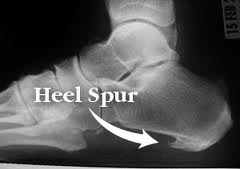
A heel spur is a small bony growth that can form on the heel bone, usually where soft tissues such as the plantar fascia attach. While the name sounds painful, the spur itself is not always the main cause of pain. In many cases, discomfort is related to irritation, strain, or inflammation of the surrounding soft tissue.
Understanding what causes heel spurs, how they feel, and what can help support the heel can make it easier to choose the right care and products.
What Is a Heel Spur?
A heel spur is a bony projection that develops on the heel bone, also known as the calcaneus. It often forms gradually over time in response to repeated stress or pulling forces around the heel.
Heel spurs are commonly associated with plantar fasciitis, which involves irritation of the plantar fascia — the strong band of tissue that runs along the bottom of the foot from the heel to the toes.
It is possible to have a heel spur without any symptoms. Some people only discover they have one after an X-ray for heel pain or another foot concern.
What Causes Heel Spurs?
Heel spurs usually develop from repeated stress on the heel bone and surrounding soft tissues. Over time, this stress can contribute to small areas of calcification or bony growth.
Common contributing factors may include:
Long periods of standing or walking on hard surfaces Poorly cushioned or unsupportive footwear Increased pressure through the heel Tight calf muscles or Achilles tendon tightness Flat feet or high arches Repetitive impact activities such as running or jumping Changes in activity level or exercise routine Plantar fascia strain or irritation
Because heel spurs often develop gradually, symptoms may appear slowly rather than suddenly.
Common Symptoms of Heel Spurs
Not everyone with a heel spur experiences pain. When symptoms do occur, they are often similar to plantar fasciitis symptoms.
You may notice:
Pain under the heel, especially with the first steps in the morning Heel discomfort after sitting or resting Pain that improves slightly with movement, then returns after prolonged standing Tenderness under the heel A sharp, stabbing, aching, or bruised feeling in the heel Discomfort after long walks, sport, or standing at work
If your heel pain is severe, worsening, or not improving, it is best to seek advice from a podiatrist or health professional for an accurate diagnosis.
Heel Spur vs Plantar Fasciitis: What’s the Difference?
Heel spurs and plantar fasciitis are often discussed together, but they are not exactly the same thing.
A heel spur is a bony growth on the heel bone.
Plantar fasciitis refers to irritation or strain of the plantar fascia, the tissue that supports the arch of the foot.
Many people with heel pain are told they have a heel spur, but the pain may actually be coming from the surrounding soft tissue rather than the spur itself. This is why treatment often focuses on reducing stress through the heel and supporting the foot more effectively.
How Are Heel Spurs Diagnosed?
A heel spur may be diagnosed using an X-ray, but imaging is not always needed for every case of heel pain. A podiatrist or health professional will usually assess your symptoms, footwear, foot posture, activity level, and the location of your pain.
They may also check for related issues such as plantar fasciitis, Achilles tendon irritation, calf tightness, or changes in walking pattern.
Effective Treatment Options for Heel Spurs
Treatment for heel spur-related pain usually focuses on reducing pressure, improving support, and calming irritated soft tissue around the heel.
Supportive Footwear
Wearing supportive shoes can make a significant difference to daily comfort. Look for shoes with cushioning under the heel, good arch support, a stable sole, and a firm heel counter.
Try to avoid walking barefoot on hard floors for long periods, especially first thing in the morning when heel pain is often at its worst.
Heel Cushions and Heel Cups
Heel cushions or heel cups can help reduce direct pressure under the heel and provide extra shock absorption inside the shoe.
These can be especially helpful for people who stand for long periods, work on hard surfaces, or feel bruised-type discomfort under the heel.
Orthotic Insoles
Orthotic insoles may help support the arch and reduce strain through the plantar fascia and heel area. They can be particularly useful if your foot rolls inwards, your arches need more support, or your shoes feel too flat.
The right insole will depend on your foot type, footwear, activity level, and comfort needs.
Stretching Exercises
Gentle stretching of the calf muscles, Achilles tendon, and plantar fascia may help reduce tension around the heel.
Common stretches include:
Calf stretches against a wall Rolling the foot over a massage ball Stretching the arch before getting out of bed Using a towel to gently stretch the foot and calf
Stretching should feel comfortable and controlled. Stop if it causes sharp pain.
Ice and Activity Modification
Applying ice to the heel after activity may help settle irritation. Reducing high-impact activity for a period of time may also be useful, especially if symptoms have recently flared.
Low-impact options such as cycling or swimming may be more comfortable while the heel is sensitive.
Night Splints or Foot Supports
Some people experience strong heel pain with their first steps in the morning. This can happen because the plantar fascia and calf tighten overnight.
A night splint may help keep the foot in a gently stretched position while sleeping. This is not suitable for everyone, but it can be useful in some cases.
Podiatry Treatment
If symptoms are ongoing, a podiatrist can assess the cause of your heel pain and recommend suitable treatment. This may include footwear advice, taping, orthotic therapy, exercise guidance, shockwave therapy, or further referral if needed.
Can Heel Spurs Go Away?
The bony spur itself usually does not disappear with simple home care. However, the discomfort associated with heel spurs can often improve when the surrounding tissues are supported and pressure through the heel is reduced.
This is why treatment is usually focused on improving comfort, reducing strain, and helping the foot function better during daily activity.
When Should You See a Podiatrist?
You should see a podiatrist if:
Your heel pain has lasted more than a few weeks
Pain is affecting your walking or daily activities
Your symptoms are getting worse
You have pain in both heels
You are unsure whether the pain is from a heel spur, plantar fasciitis, or another condition
You have diabetes, circulation issues, or reduced sensation in your feet
Getting the right diagnosis can help you choose the most appropriate support and avoid wasting money on products that may not suit your needs.
Helpful Products for Heel Spur Comfort
Depending on your symptoms and footwear, products that may help support heel comfort include:
Heel cups Gel heel cushions
Supportive orthotic insoles
Arch supports
Massage balls
Night splints
Supportive socks or foot sleeves
Choosing the right product depends on where your pain is, what shoes you wear, and whether you need cushioning, arch support, or both.
Final Thoughts
Heel spurs are common and do not always cause pain. When heel pain does occur, it is often linked with irritation of the plantar fascia or surrounding soft tissues.
Supportive footwear, heel cushioning, orthotic insoles, stretching, and podiatry advice can all play a role in managing heel discomfort and reducing strain through the heel.
If your heel pain is persistent or affecting your daily life, it is worth seeking professional advice so you can understand the cause and choose the most suitable treatment pathway.
Frequently Asked Questions About Heel Spurs
Are heel spurs always painful?
No. Many people have heel spurs without pain. When pain is present, it may be due to irritation of the surrounding soft tissue rather than the spur itself.
What does heel spur pain feel like?
Heel spur-related pain may feel sharp, aching, bruised, or stabbing under the heel. It is often worse with the first steps in the morning or after sitting.
Can shoes make heel spur pain worse?
Unsupportive or poorly cushioned shoes may increase pressure through the heel and contribute to discomfort. Supportive footwear with cushioning and arch support may help improve comfort.
Do heel cushions help heel spurs?
Heel cushions and heel cups may help reduce pressure and provide extra shock absorption under the heel. They can be useful for some people, especially when standing or walking on hard surfaces.
Are orthotics useful for heel spurs?
Orthotic insoles may help support the arch and reduce strain through the plantar fascia and heel area. The best option depends on your foot type, shoes, and symptoms.
Should I see a podiatrist for heel spurs?
If heel pain is ongoing, worsening, or affecting your walking, a podiatry assessment is recommended to help identify the cause and provide guidance on suitable treatment options.


Leave a comment